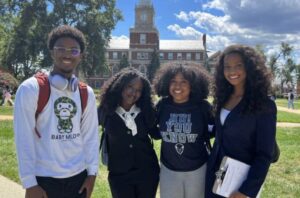
What is an HBCU?
Historically Black Colleges and Universities, or HBCUs, hold a special place in American education. HBCUs are more than just educational institutions. They are cultural hubs. They foster a sense of belonging and community among students. Join us in celebrating their enduring legacy.
“Success is to be measured not so much by the position that one has reached in life as by the obstacles which he has overcome.”
Booker T. Washington, educator and founder of Tuskegee Institute
Introduction to HBCUs
HBCUs were established to empower African Americans with educational opportunities during the era of racial segregation.
Since their inception, HBCUs have nurtured countless leaders and professionals such as Dr. Martin Luther King Jr. and Oprah Winfrey. They have been essential in the advancement of civil rights and social justice initiatives such as the Freedom Rides and the Anti-Apartheid Movement.
HBCUs offer a rich variety of academic programs and cultural experiences. Students can expect a supportive environment dedicated to their personal and professional growth.
Key attributes of HBCUs include:
- Commitment to diversity and inclusion
- Strong community engagement and cultural heritage
- Opportunities for leadership development and mentorship
The History of HBCUs
Historically, Black Colleges and Universities emerged from a need to educate African Americans when other institutions excluded them. These schools became vital hubs for intellectual and cultural development. Initially founded in the mid-19th century, they grew in numbers in the aftermath of the American Civil War.
The first HBCU, Cheyney University of Pennsylvania, was founded in 1837 and set a precedent for inclusive learning. Following its establishment, numerous HBCUs were founded across the United States. These institutions provided a much-needed avenue for higher learning and professional development for Black Americans.
Key Milestones in HBCU History
Over the years, HBCUs have achieved have grown and transformed alongside major historical events, influencing social change. Notable milestones include:
- 1865: A month before the end of the American Civil War, Howard University was established and became a leading institution.
- 1964: After the Civil Rights Act ended segregation, HBCUs receive more federal funding.
- 1980: President Jimmy Carter established the White House Initiative on HBCUs.
These significant events contributed to HBCUs’ progress and their ongoing relevance in education today. HBCUs remain pivotal in fostering innovation and progress.
Who Attends HBCUs?
While HBCUs were initially founded to serve the educational needs of Black Americans, these institutions welcome students of all races and backgrounds. According to the National Center of Educational Statistics, non-Black students made up 24 percent of enrollment at HBCUs in 2022.
Why HBCUs Are Important
The significance of HBCUs extends beyond their name. They symbolize resilience, empowerment, and inclusivity. HBCUs are instrumental in preserving African American history and culture.
- They offer unique cultural experiences for students.
- They provide access to quality education for underrepresented groups.
- They contribute significantly to their local communities and spur economic growth.
HBCUs continue to innovate, educating future generations who strive for social change. They embody the spirit of progress and opportunity in education.
As we look to the future, the top HBCUs continue to create exceptional academic and cultural environments. These institutions have not only maintained their prestige but continue to push the boundaries of educational innovation.
Expect these HBCUs to lead in producing future change-makers who will make significant societal impacts. Each college provides a unique blend of tradition and progressive educational models. Their emphasis on community, excellence, and leadership remains steadfast.
The top HBCUs for 2026 include:
- Howard University
- Spelman College
- Morehouse College
- Hampton University
- Tuskegee University
These colleges lead in various fields and set high standards in education.
Overview of Each Institution
Howard University is renowned for its comprehensive programs and historical significance. It offers a vast array of academic courses and boasts influential alumni in many sectors. Specifically, Howard University’s high-ranking STEM departments and social work program are ideal for students pursuing those disciplines.
Meanwhile, Spelman College stands out for its focus on empowering women in science and technology. Furthermore, Spelman College is currently ranked as the #1 HBCU in the United States as well as the #2 college for social mobility by US. News World Report.
Morehouse College, known for producing leaders, has a plethora of notable alumni including: Dr. Martin Luther King Jr., Senator Raphael Warnock, director Spike Lee, and actor Samuel L. Jackson. Additionally, Morehouse College boasts a premier Business School and ranks #2 on Linkedin’s HBCU career success list.
Hampton University’s picturesque campus and well-rounded curriculum make it a top choice for students seeking diverse opportunities. Also Hampton University’s exceptional Broadcast Journaling Program has it listed as the #2 college for journalism in the state of Virginia by College Factual
Lastly, but certainly not least, Tuskegee University is celebrated for its rich history and excellence in engineering and veterinary medicine. In addition, Tuskegee University’s Cybersecurity Program as ranked #2 in the Cybersecurity Guides 2024 rankings.
Each institution holds its own charm and pillars of strength. They all offer exceptional educational experiences coupled with deep cultural heritage.
Other notable HBCUs include:
- Florida A&M University
- North Carolina A&T State University
- Xavier University of Louisiana
- Clark Atlanta University
- Dillard University
Unique Programs and Offerings
HBCUs are known for their groundbreaking programs tailored to meet the needs of their students and communities. Howard University’s School of Business leads with its emphasis on entrepreneurship and global perspectives. Meanwhile, Spelman College offers cutting-edge courses in STEM, specifically designed to support women.
Tuskegee University has built a legacy with its cutting-edge research initiatives. Its programs in agriculture and architecture are highly acclaimed. Morehouse College impresses with its interdisciplinary programs fostering critical thinking and leadership.
Noteworthy offerings include:
- Integrated research projects
- Mentorship programs linking students with industry leaders
- Opportunities for international study
Alumni Success Stories
The impact of HBCU graduates extends far beyond the campus borders. Many alumni hold influential positions across various industries. Howard University claims alumni such as Vice President Kamala Harris, demonstrating its influence in political spheres.
Spelman College boasts successful women in fields from medicine to entrepreneurship. Their dedication reflects the institution’s commitment to empowerment. Prominent alumni outcomes include:
- Career advancement into executive roles
- Leaders in innovation and technological advancements
- Champions for social justice and reform
These success stories exemplify the far-reaching impact of an HBCU education.
The Future of HBCUs
The future of HBCUs is filled with promise and potential. As they adapt to new educational models, their role in fostering diversity remains essential. Technological innovations will play a crucial role in enhancing educational experiences.
Key future developments include:
- Expansion of academic programs
- Strengthening global partnerships
- Embracing online education
These advancements ensure HBCUs continue to be trailblazers in inclusivity and academic excellence.
Challenges and Opportunities
HBCUs face unique challenges, such as securing funding and adapting to rapid technological changes. However, these challenges bring opportunities for growth. By building strategic partnerships, they can expand their influence and resources. In doing so, they reinforce their commitment to providing equitable education.
Expansion efforts will also focus on sustainability and community involvement, thereby enhancing their global footprint and educational reach.
The Role of HBCUs in Modern Education
HBCUs occupy an evolving role in the educational landscape. They provide crucial support to underserved communities and cultivate future leaders. By fostering an inclusive environment, they promote diversity in academia and beyond.
HBCUs focus on:
- Character development
- Social justice initiatives
- Research and innovation
These contributions cement their status as vital institutions, advancing education and societal progress in meaningful ways.
Conclusion
HBCUs continue to shape the future, honoring their rich legacy while embracing change. They remain beacons of learning and empowerment, fostering academic excellence and diversity. As HBCUs evolve, their impact on education and society grows stronger.
With a commitment to innovation and community, HBCUs are well-positioned to address the educational challenges of tomorrow. Their unwavering dedication ensures that their legacy will endure for generations, inspiring countless individuals to dream and achieve.